Student Highlight.
Henry’s Challenges
Self-Control Solutions
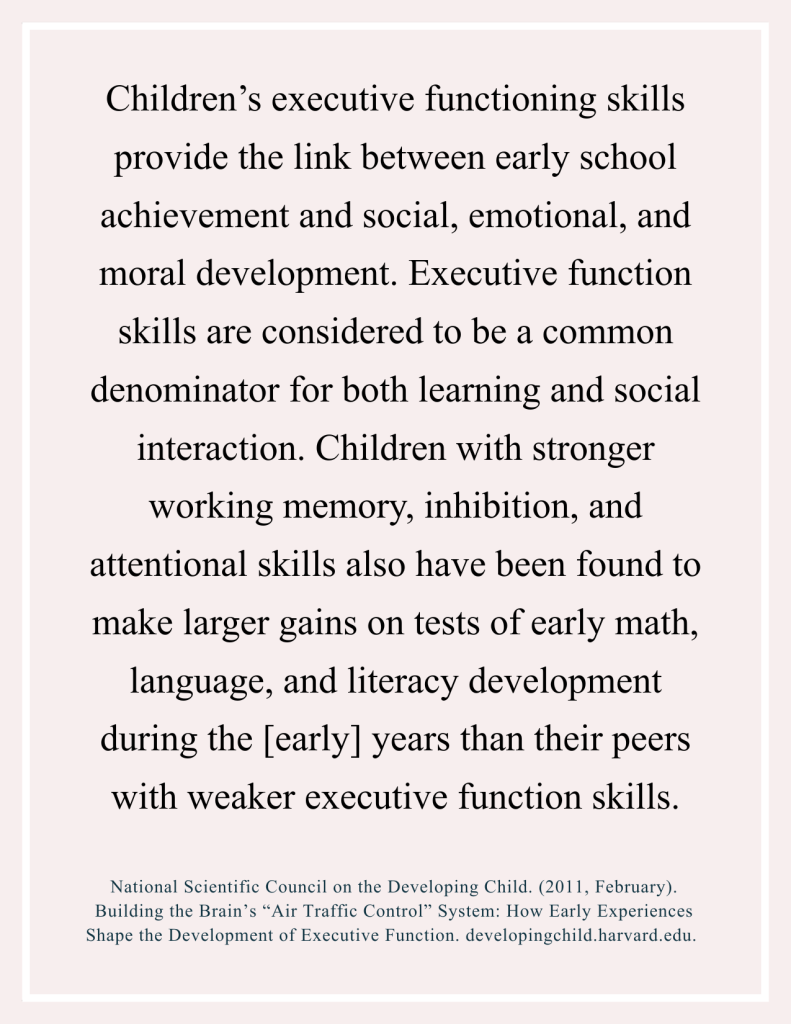
Henry struggled to think before he acted. He shared that he is sometimes unable to think about consequences when he is upset, which leads to doing things that he shouldn’t be doing.
To help him gain self-control skills, Henry completed the Cerebrate lessons My Best Way, Stop and Think, and Self-Control Check. Henry worked to create a four-step plan for when he gets upset. In addition, he reviewed times when he had got upset, what steps he took, and what he could have done better to be more in control of his actions.
Prior to the lessons, Henry was unable to stop and think before acting. After identifying times when he got upset, Henry was able to come up with action plans to help him regulate himself and think things through when he gets upset. He is now able to take his past experiences, reflect on his actions, and recognize where he needs improvement.
Working Memory Solution
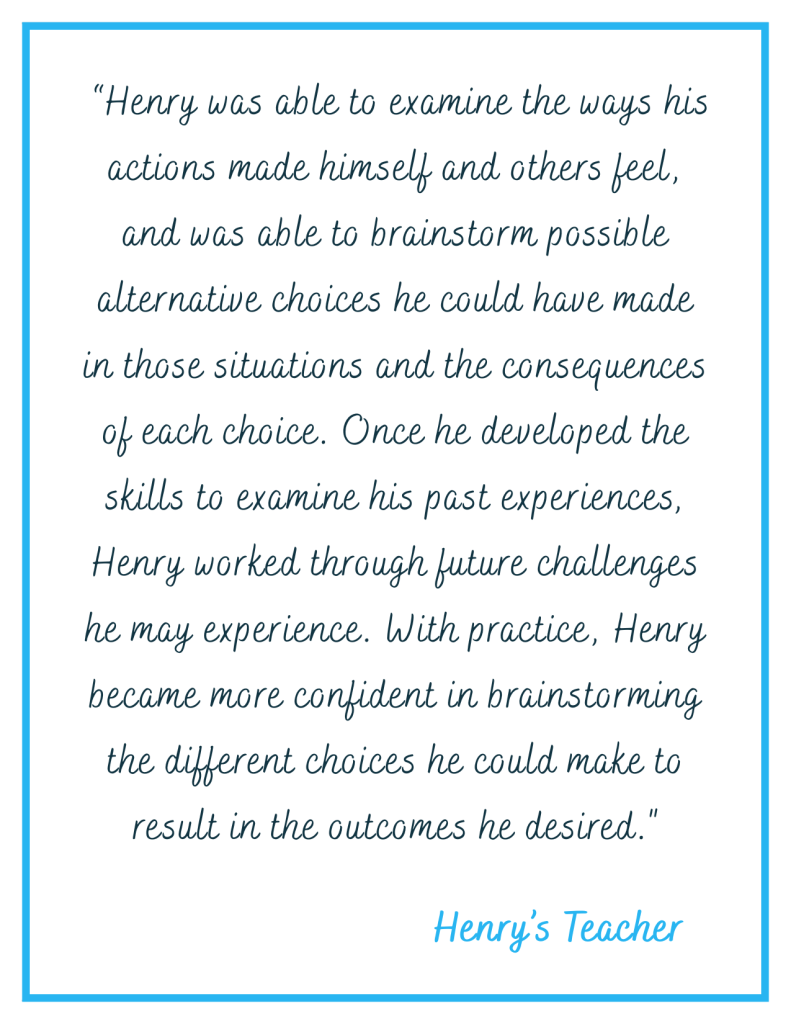
Henry had difficulty remembering important information and multiple steps to a task. He was aware of his struggles and articulated them well.
The Cerebrate lessons What is Working Memory?, Memory Strategies, and Remember the Steps helped Henry learn important strategies for remembering information, like asking for something to be repeated and saying it back. He practiced making connections between important facts he needed to remember later, and learned how to use pictures and actions to store information in his memory for future recall.
In the beginning, Henry had a hard time remembering different types of information. After learning how to listen closely, repeat back, ask for clarification, make connections, use memory tools, he was able to remember for longer periods of time. He continues to draw pictures and act out information to help him remember.
Planning Solution
Henry had a hard time setting small goals and allowing for enough time to follow through and finish his work on time.
He completed the Cerebrate lessons Check the Plan, Time for Goals, and Daily Homework to help him learn to start creating small, attainable goals. Henry learned to identify the difference between what he wanted to do and what he needed to do. He practiced making a list of the tasks he needed to complete, and he began to see how creating a plan to reach his goal helped him have enough time to finish his work.
Initially, Henry struggled to see what he was trying to accomplish and the steps to reach the goal. After learning to use a checklist and intentionally set aside the time he needed, he was able to start making simple checklists to finish his work. He began to see additional ways he could use checklists to reach other goals that were important to him.