






Keeping middle school students engaged and helping them stay on task is a challenge many educators face. Executive function skills, particularly working memory, play a crucial role in students’ ability to remember directions, complete assignments, and manage distractions. By incorporating executive function instruction into the classroom, teachers can equip students (...)
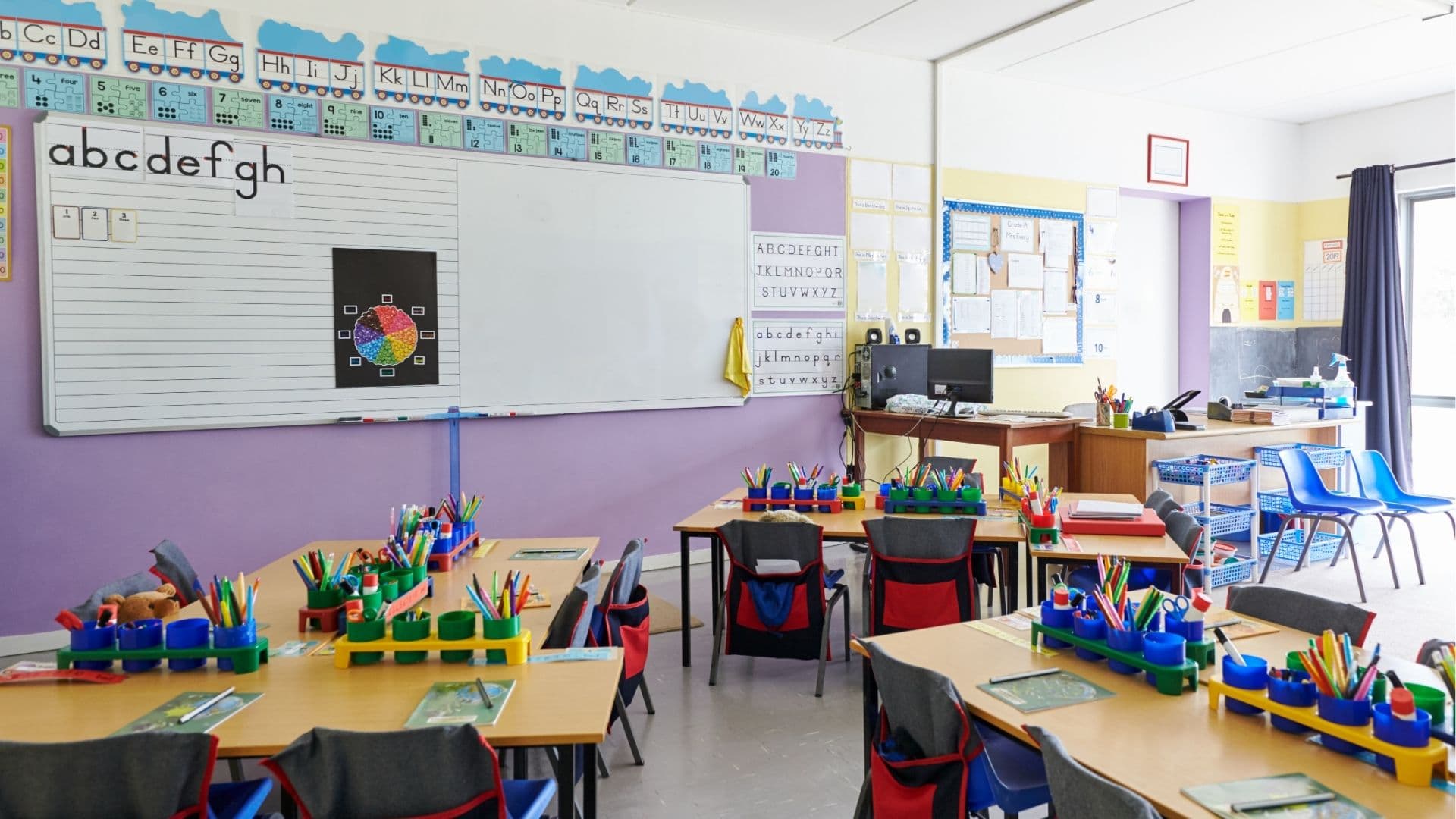
Discussions for self-reflection are essential to building strong executive function skills in elementary students. When teachers incorporate executive function instruction into their daily routines, students learn how to assess their actions, monitor their progress, and develop self-regulation strategies that improve their academic performance. By fostering discussions for self-reflection, educators create (...)
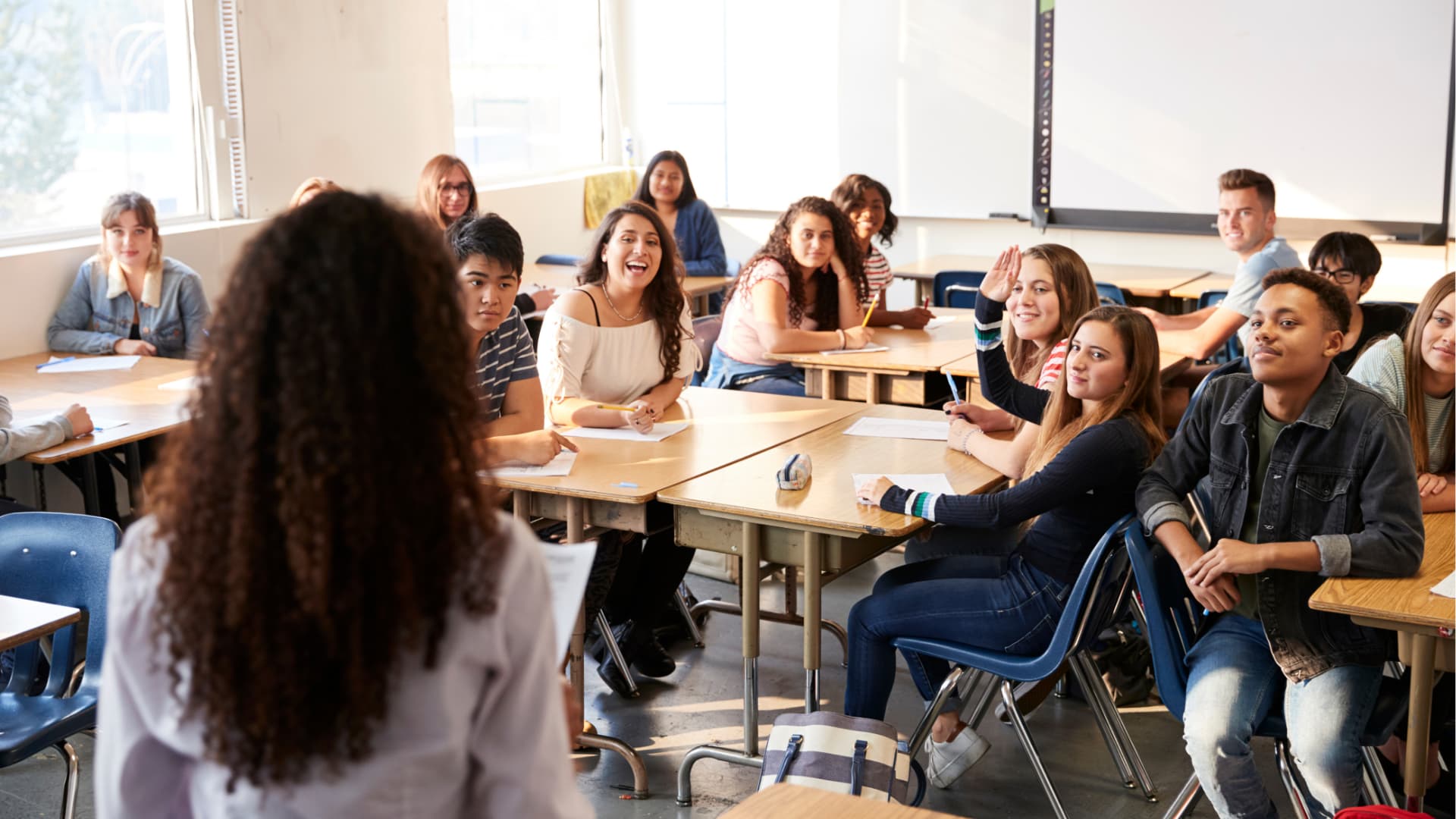
Maintaining focus and attention is essential for student success, but it can be difficult for many high school students. Executive function instruction plays a key role in improving students’ ability to regulate their thoughts and actions, stay engaged in tasks, and enhance their working memory. By implementing executive function strategies, (...)
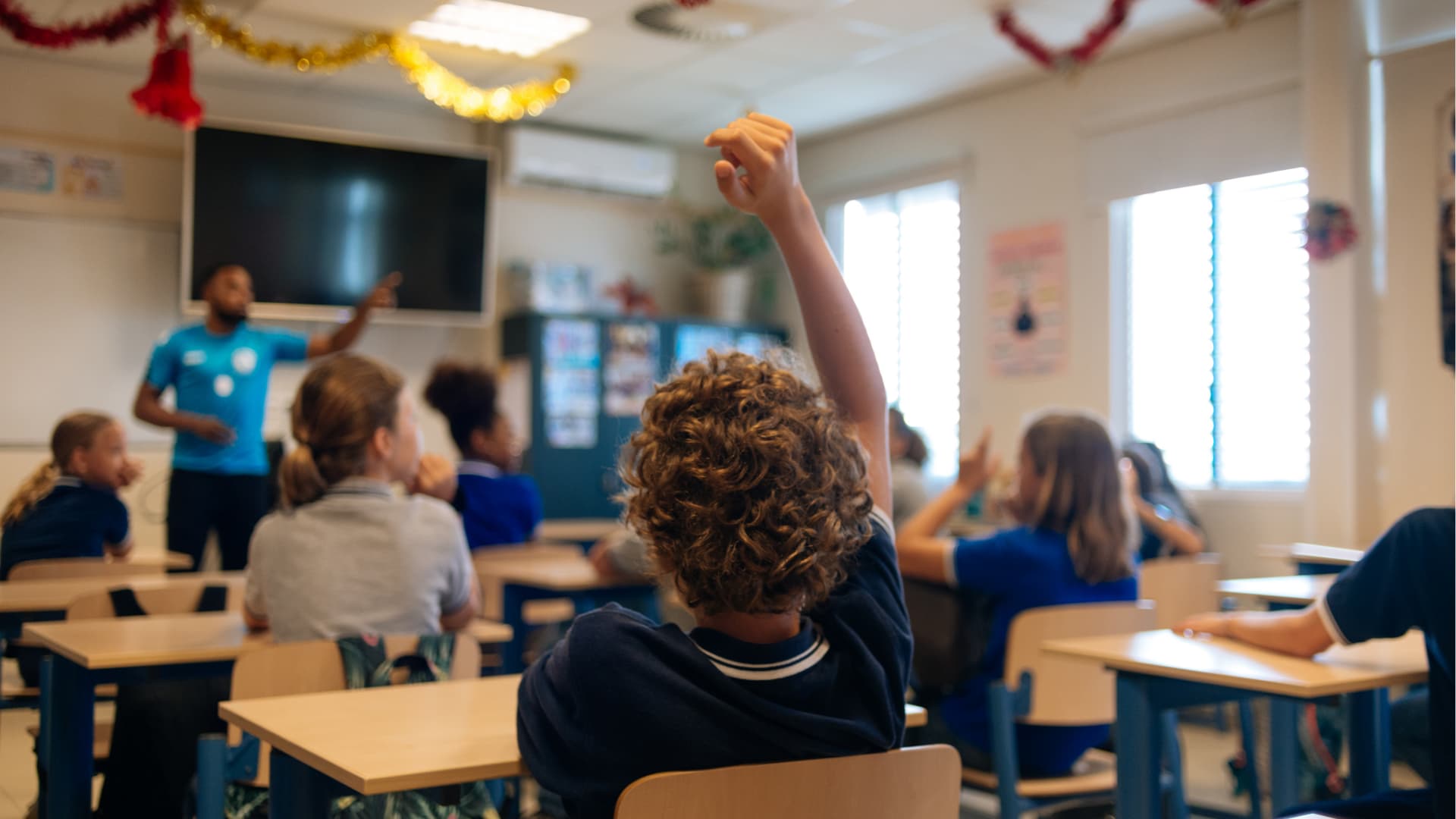
Self-control discussions are a powerful way to support student learning and improve students’ academic performance. When middle school students actively engage in conversations about self-control, they develop essential executive function skills that help them succeed both in and out of the classroom. By using student engagement strategies that foster meaningful (...)
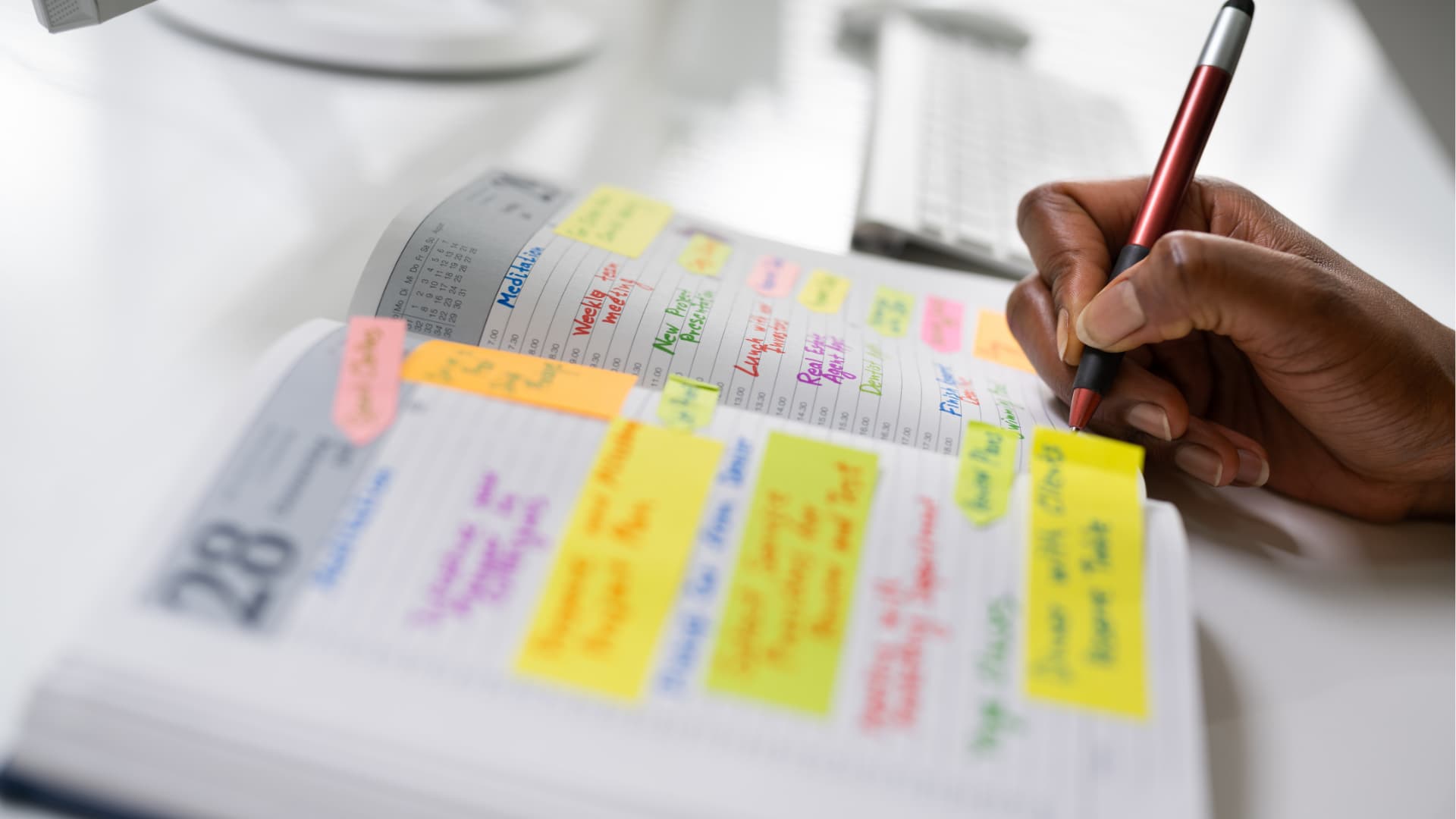
Student organization skills are essential for success in and out of the classroom. Teaching executive function skills, particularly organization, at the beginning of the school year can set students up for academic success. When students learn how to keep track of their materials, prioritize tasks, and structure their work, they (...)
Self-awareness is a crucial executive function skill that helps students develop self-monitoring abilities, leading to better academic performance, stronger communication, and improved self-control. As high school teachers, fostering student discussions around self-awareness can empower students to take ownership of their learning, social interactions, and personal growth. By integrating executive function (...)
When we talk about organizational skills for students, we’re addressing one of the core executive function skills that can profoundly impact their academic journey. Whether it’s keeping track of assignments, managing materials, or taking effective notes, organizational skills are essential to a student’s success. As educators, it’s crucial to focus (...)
Helping students “use initiative” to start tasks is a critical part of teaching executive function skills. Task initiation can be a significant challenge for young learners, especially when they face assignments they don’t enjoy or find overwhelming. By engaging students in meaningful discussions and providing them with the right executive (...)
Discussing emotional control is an essential part of teaching executive function skills to high school students. Emotional control, a core component of executive function, plays a vital role in students’ self-regulation, social skills, and academic performance. When students learn to manage their emotions effectively, they build confidence, improve classroom behavior, (...)
Middle school classrooms are bustling environments where students juggle assignments, extracurricular activities, and personal responsibilities. Teaching planning skills is vital to their success and is a key component of executive function instruction. When students boost planning skills, they improve their academic performance and confidence. By integrating meaningful discussion questions into (...)