


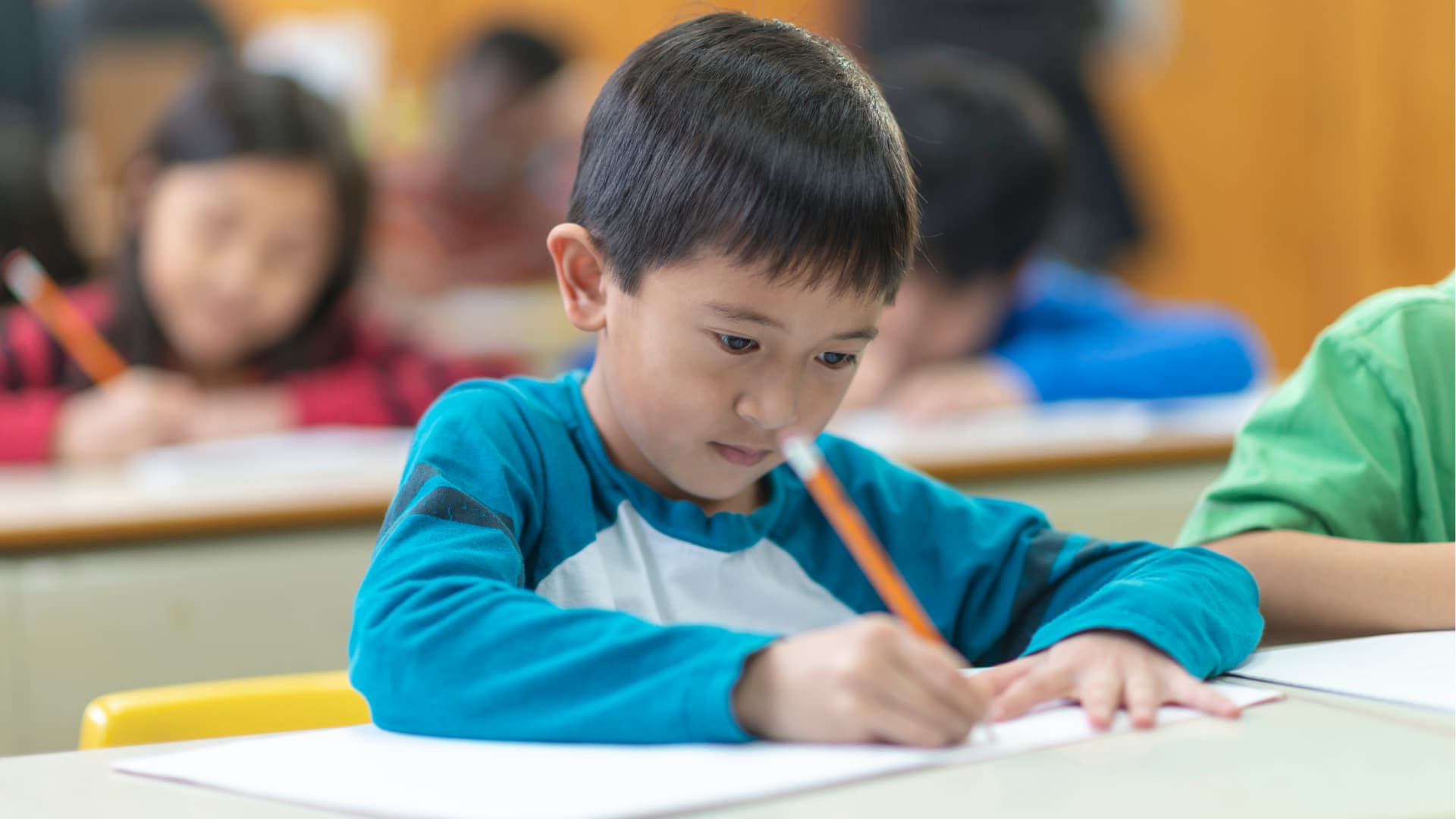


In today’s fast-paced learning environment, the ability to adapt to change is crucial for student success. Teaching executive function skills, such as flexibility, helps students navigate transitions, solve problems creatively, and engage with diverse perspectives. When students practice flexibility, they enhance their executive function learning, improve academic performance, and build (...)
Helping middle school students take initiative is critical to their success. Taking the initiative includes starting tasks independently, overcoming procrastination, and confidently engaging in learning. Middle school students, particularly those in grades 5-8, are at a crucial stage where building strong executive function skills can significantly improve their academic performance (...)
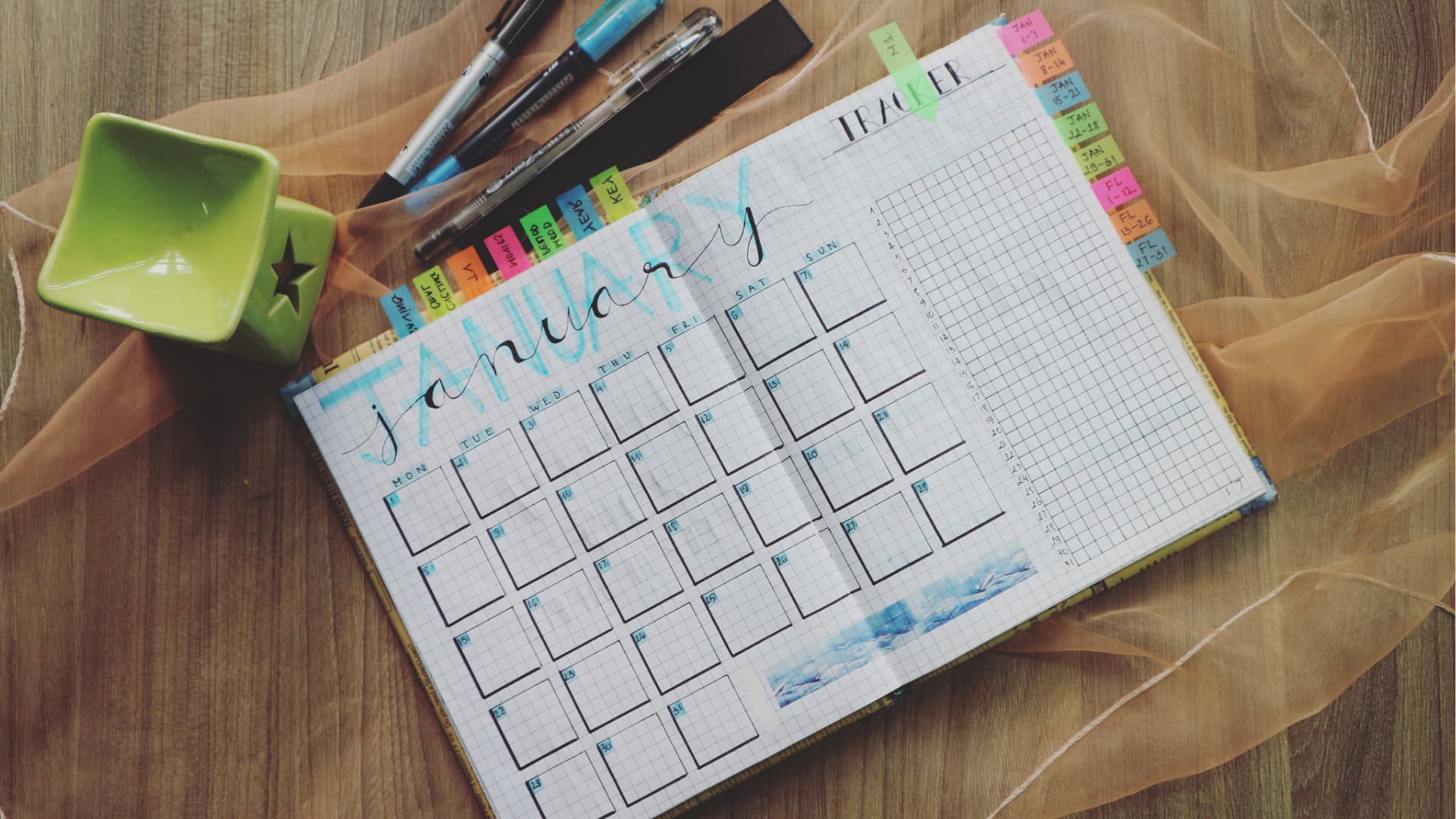
In this blog, we explore engaging and practical executive function strategies that elementary teachers (grades 1-4) can use to improve planning skills in their students. Planning is a critical executive function skill that helps students manage their time, organize their thoughts, and work toward goals. When teachers focus on executive (...)
Practicing working memory is essential for high school students to improve academic performance and build essential executive function skills. As teachers, incorporating executive function instruction into daily lessons can empower students by enhancing their ability to retain and manipulate information. Below are five engaging student strategies to integrate into your (...)
Planning is a crucial executive function skill that helps students manage their time, set goals, and develop strategies for success. When middle school students practice planning, they improve their ability to organize tasks, complete assignments on time, and build confidence in their abilities. As educators, we can integrate executive function (...)
Practicing emotional control is a critical component of teaching executive function skills in elementary classrooms. When students learn to manage their emotions effectively, they build resilience, strengthen their social skills, and improve their academic performance. As educators, we can embed executive function instruction into daily routines to help students develop (...)
Practicing planning skills is essential for high school students to develop executive function skills, improve their academic performance, and achieve overall success. One of the most critical executive function strategies is the ability to set goals, manage time, and follow through with tasks effectively. By incorporating executive function instruction into (...)
Teaching ways to improve self-monitoring for middle school students is essential for their academic success and personal growth. Self-monitoring, a core component of executive function, involves the ability to assess one’s own work, behavior, and actions to make adjustments for improvement. Incorporating ways to improve self-monitoring into your classroom can (...)
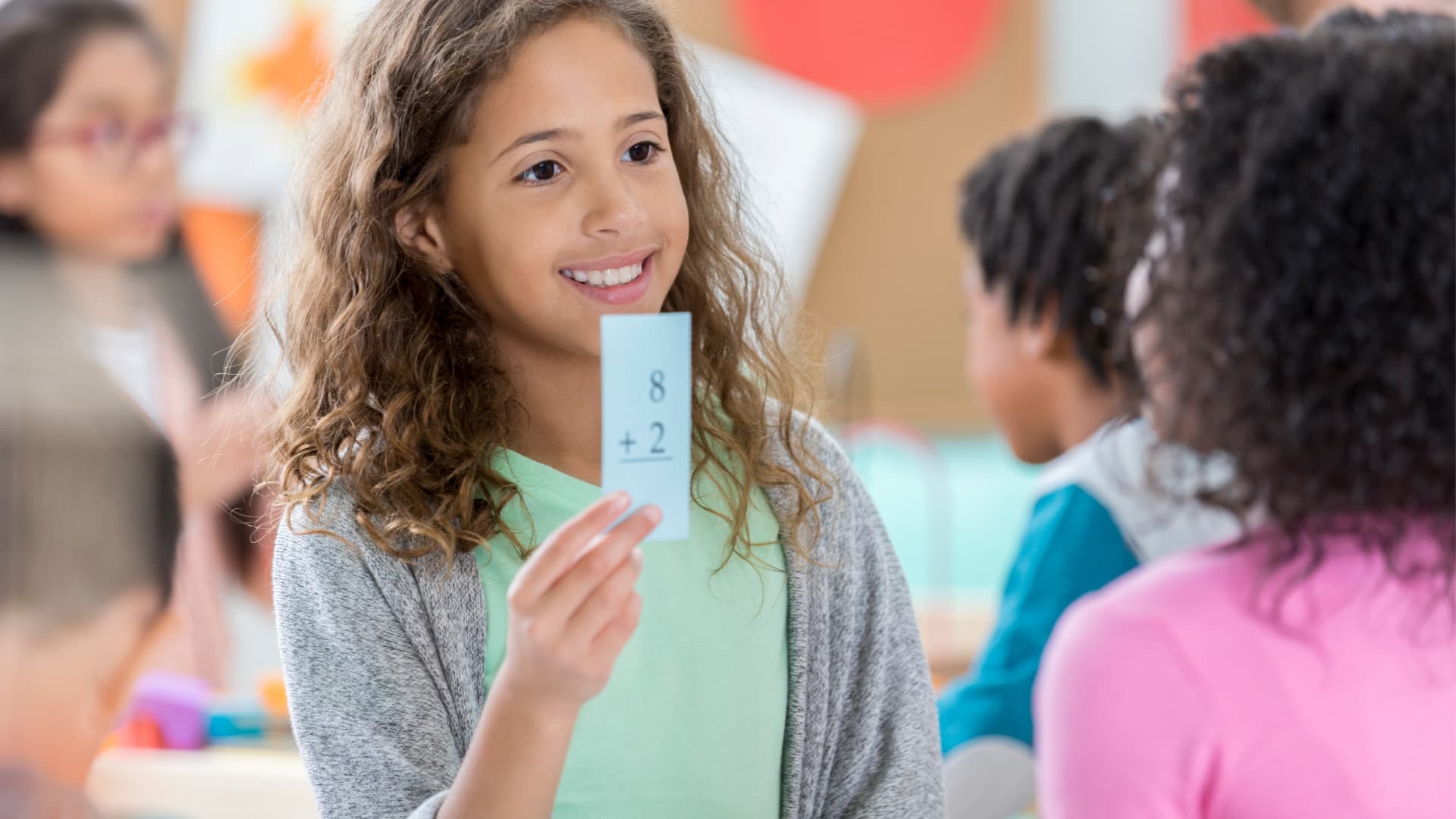
To practice working memory skills effectively, executive function instruction is essential for student success. One of the most critical executive function skills for elementary students to develop is working memory. To improve student performance and focus, it’s important to provide opportunities to practice working memory skills. Working memory—the ability to (...)
Teaching self-control is a critical component of executive function. Self-control plays a vital role in helping students succeed academically, socially, and emotionally. By developing their ability to regulate impulses, emotions, and behaviors, students can engage more fully in learning, improve academic performance, and build stronger social skills. As educators, we (...)