
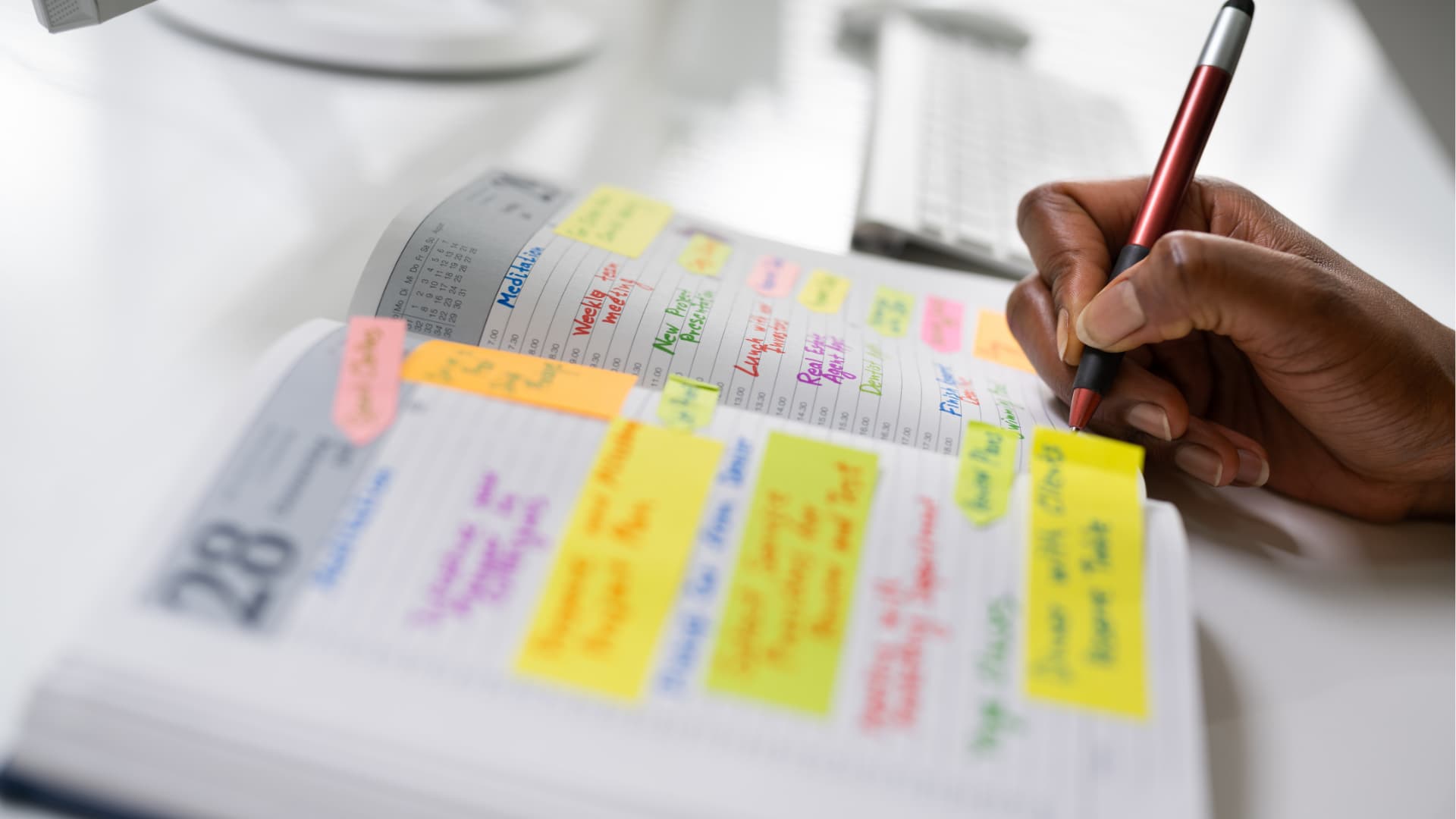
Middle school classrooms are bustling environments where students juggle assignments, extracurricular activities, and personal responsibilities. Teaching planning skills is vital to their success and is a key component of executive function instruction. When students boost planning skills, they improve their academic performance and confidence. By integrating meaningful discussion questions into classroom activities, teachers can empower students to engage in collaborative problem-solving and self-reflection. Here, we explore how to use the discussion questions below to boost planning skills.
Starting Conversations About Planning
Engaging students in reflective discussions about their experiences with planning can be a transformative teaching strategy. Begin with questions that prompt students to think about their habits and challenges:
- Have you ever started a big assignment at the last minute? How did it feel? What steps did you take, and what would you do differently next time to make it less stressful?
This question invites students to share personal experiences and explore the emotional impact of procrastination. As students discuss, guide them to identify practical strategies like breaking tasks into smaller parts or using tools such as planners or digital reminders. Highlight how these executive functioning tools can reduce stress and improve task management.
- Imagine a classmate needs help planning their work. How could you help them use planning strategies, like giving reminders or suggesting ways to stay organized?
This question fosters social skills and collaboration. Encourage students to brainstorm strategies such as creating a to-do list, setting reminders, or sharing helpful apps. By discussing ways to support peers, students build a sense of community and learn that planning is not just an individual skill but also a collective effort.
Understanding the Importance of Planning
To boost planning skills and deepen students’ understanding of why planning matters, ask:
- Why is planning important during class? How would the classroom improve if everyone planned their tasks better? Why do you think planning is hard for some students?
Use this question to explain the executive function definition and its role in classroom behavior. Emphasize how effective planning can enhance student engagement and help the class function smoothly. Discuss common challenges, such as distractions or difficulty prioritizing, and explore how executive function interventions can address these obstacles.
- How can setting goals help you plan ahead and finish your tasks? Can you share an example?
This question links goal-setting to planning, demonstrating how clear objectives guide students toward success. Encourage students to share examples of personal or academic goals and how they used planning strategies to achieve them. This builds their confidence and shows how planning improves academic performance.
Building Practical Planning Habits
Planning discussions should also tackle the feeling of being overwhelmed:
- Does managing a lot of work ever feel overwhelming? How can planning your week help you spread out your tasks and feel less stressed?
Guide students to discuss practical ways to organize their weeks, such as prioritizing tasks, using color-coded schedules, or setting daily goals. These executive function lessons provide students with the tools they need to approach their workload with clarity and confidence. Encourage them to try different methods and share what works best for them.
Linking Planning to Long-Term Success
By integrating these questions into your classroom routine, you’ll help students develop essential planning skills while addressing their individual learning needs. This approach also improves student social skills and self-regulation, fostering a positive and productive learning environment.

Explore additional resources to help boost planning skills:
- Planning Discussion Questions for Grades 1-4
- Planning Discussion Questions for Grades 9-12
- Discover the Value of Our Executive Function Curriculum
- Sign Up for Our Newsletter
Helping students master planning is an investment in their future. By teaching executive function skills through thoughtful conversations, educators can equip students with strategies to navigate academic and personal challenges successfully. Encourage these discussions in your classroom and watch your students’ confidence and performance soar!