
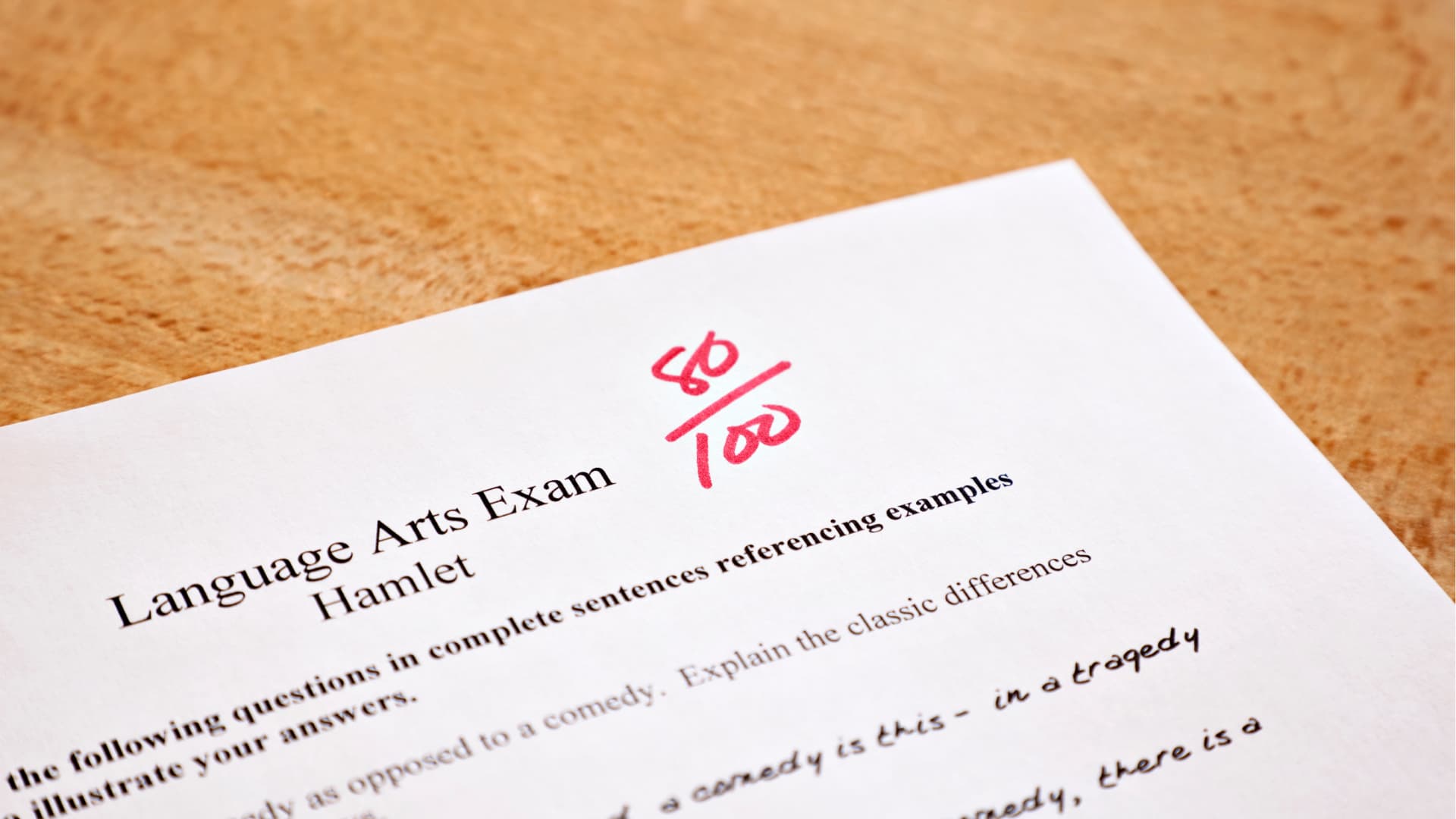

When students struggle with self-assessment, it can significantly impact their academic performance and overall learning experience. Self-monitoring is a critical component of executive function, enabling students to evaluate their work, understand grading systems, and identify errors. However, many high school students face executive function challenges that prevent them from effectively (...)
Helping students develop strong planning skills is essential for improving academic performance and fostering independence. Teaching executive function skills through well-structured IEP goals for planning can empower students to take ownership of their learning, enhance their self-awareness, and build confidence in managing their workload effectively. This blog post includes eight (...)
Keeping middle school students engaged and helping them stay on task is a challenge many educators face. Executive function skills, particularly working memory, play a crucial role in students’ ability to remember directions, complete assignments, and manage distractions. By incorporating executive function instruction into the classroom, teachers can equip students (...)
In today’s fast-paced learning environment, the ability to adapt to change is crucial for student success. Teaching executive function skills, such as flexibility, helps students navigate transitions, solve problems creatively, and engage with diverse perspectives. When students practice flexibility, they enhance their executive function learning, improve academic performance, and build (...)