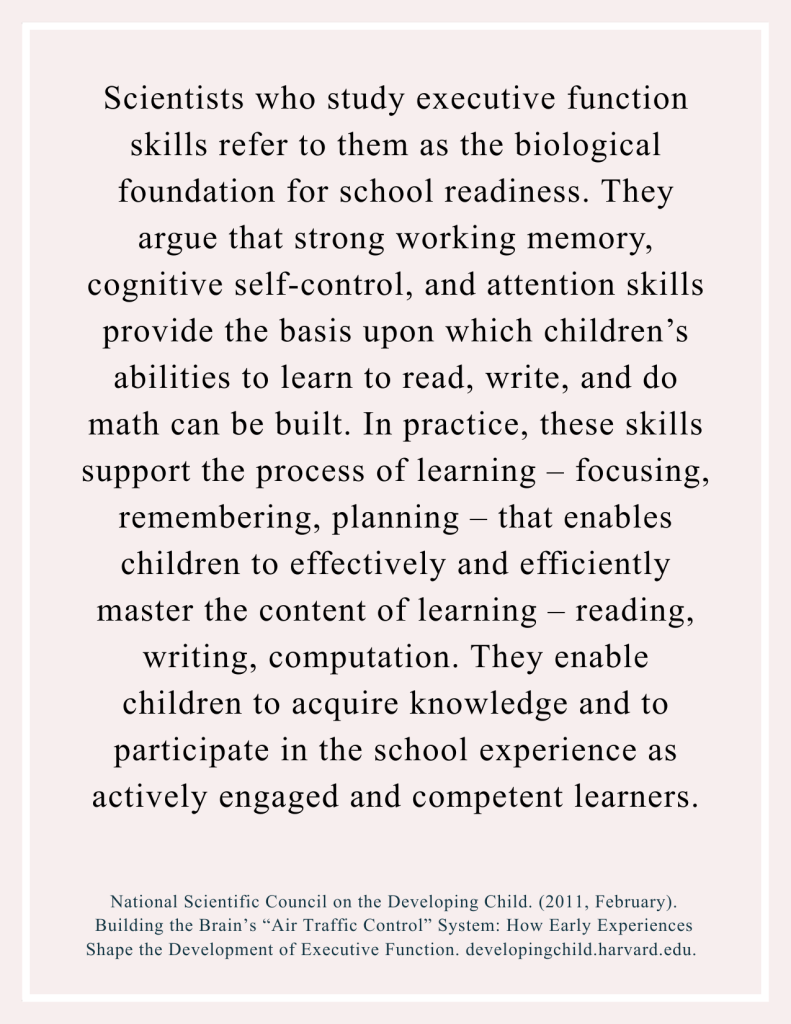
Student Highlight.
Dakota's Challenges
Emotional Control Solution
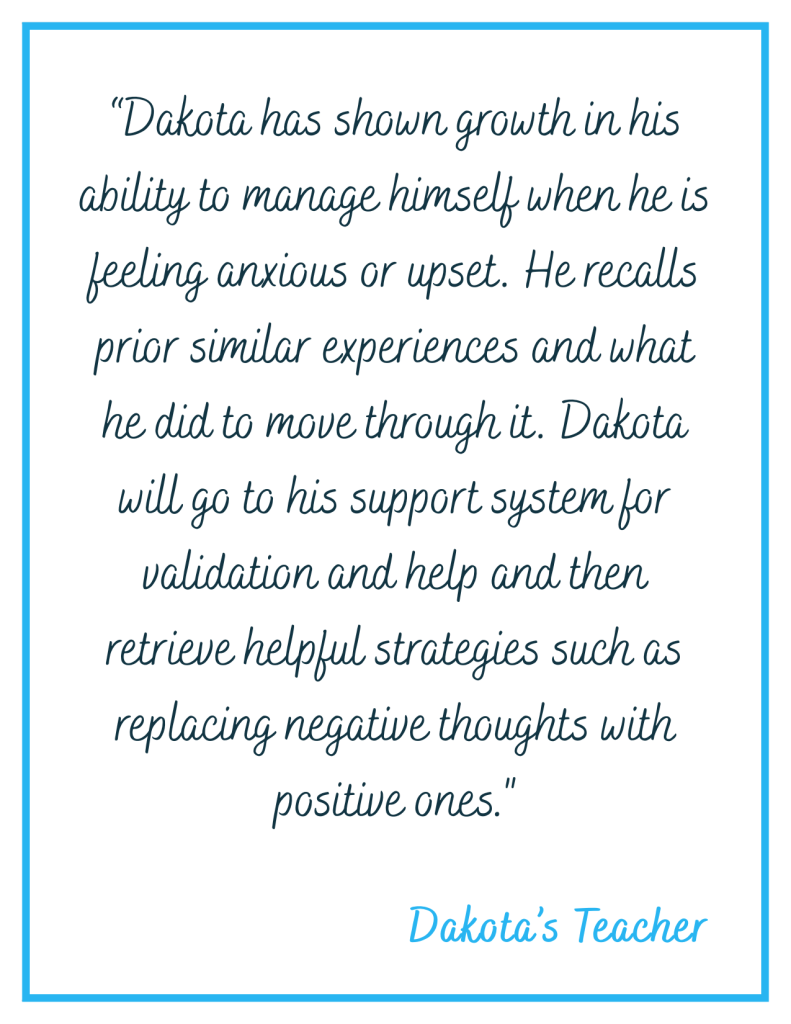
Dakota struggled to understand, identify and cope with his emotions. He shared that he often has many feelings at once and doesn’t know what to do with them.
The Cerebrate lesson, Know Your Feelings, helped Dakota identify times he experienced different emotions, like feeling loved when someone comforts him or feeling excited when he hears good news. Dakota was able to assign emotional roles to the important people in his life in the lesson, My Support System. For example, his father is someone who helps cheer him up, while his mother listens when he needs to talk. With the lesson, Helpful Thoughts, Dakota took overwhelming thoughts and evaluated them logically to determine how they were affecting his fears and emotions.
Initially, Dakota had difficulty separating out his feelings to know how to handle them. By learning to label his feelings, find the best person for support, and work through the thoughts that were causing large emotions, Dakota is now able to communicate his emotions more effectively and rationalize his fears.
Self-Monitor Solution
Dakota had difficulty recognizing his strengths and abilities, and he explained that while he can give compliments to his friends, he is unable to do the same for himself.
With the Cerebrate lesson, My Greatest Strength, Dakota explored possible areas of strength for himself, and he shared his strengths about being a good team player and acting boldly. He looked at times he expressed those traits, like trying new things or helping his soccer teammates. Dakota also examined possible learning strengths with the lesson, Learning Styles. He identified his strength with listening and learning auditorily. This allowed him to understand he does best when directions are read aloud since he is a strong listener.
In the beginning, Dakota was unable to identify his abilities and how to use them to his advantage. After learning about some of his strengths, he began to see how being bold and cooperative can help him in many learning situations. Additionally, Dakota’s awareness of his listening skills helps him advocate for himself when he needs to hear information for understanding.
Flexibility Solution
Dakota found it challenging to see perspectives different from his own. He described his frustration when classmates do things in a way that doesn’t make sense to him.
The Cerebrate lesson, What Else Can It Be, helped Dakota consider various strategies for common problems to help think differently. He found multiple uses for household items like laundry baskets and articles of clothing. With the lesson, What Can I Think Instead, Dakota broke down different ways of looking at recent challenges at school.
While completing the Flexible Perspectives lesson, he brainstormed upsetting scenarios and practiced coming up with multiple ways of seeing the same situation, depending on perspective. Dakota struggled to consider other perspectives when dealing with classmates, which led to increased social problems. He is now able to recognize other thoughts and ideas when interacting with peers. He uses his new strategies to reason rather than jumping to conclusions, getting frustrated, or having conflicts.