Executive Function Curriculum for Skill Development.

Deliver targeted executive function lessons that build skills students need to learn and succeed.

Executive Function Curriculum That Builds Student Skills

Executive Function Instruction Through Engaging Lessons

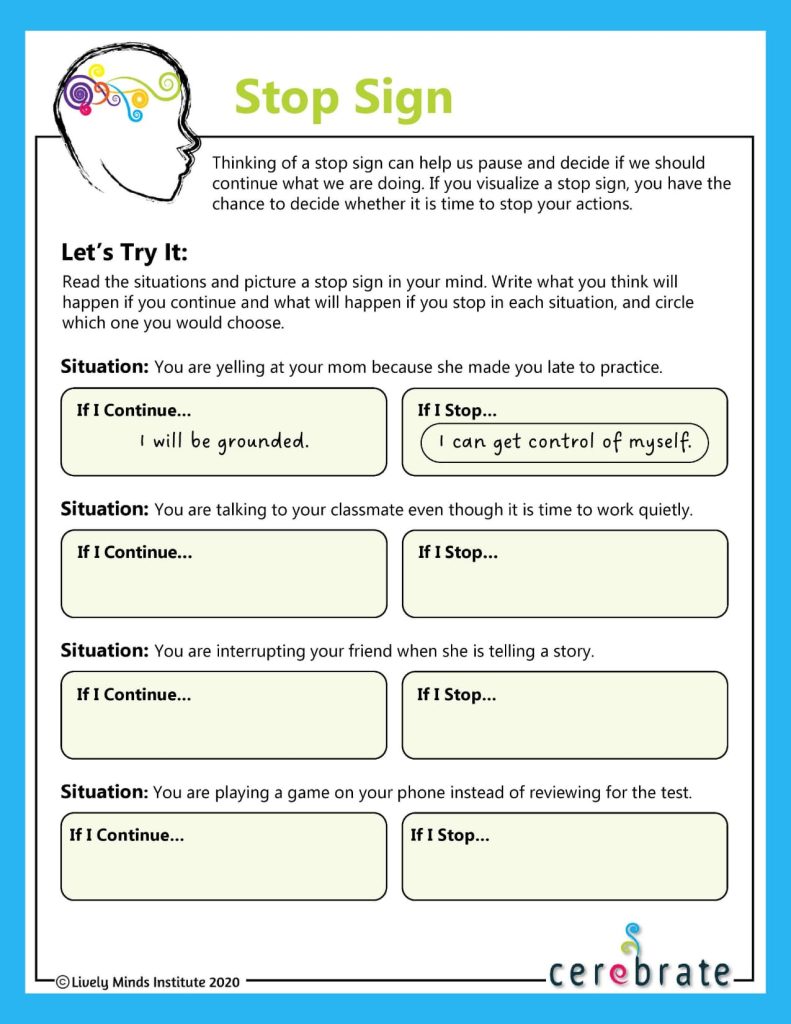
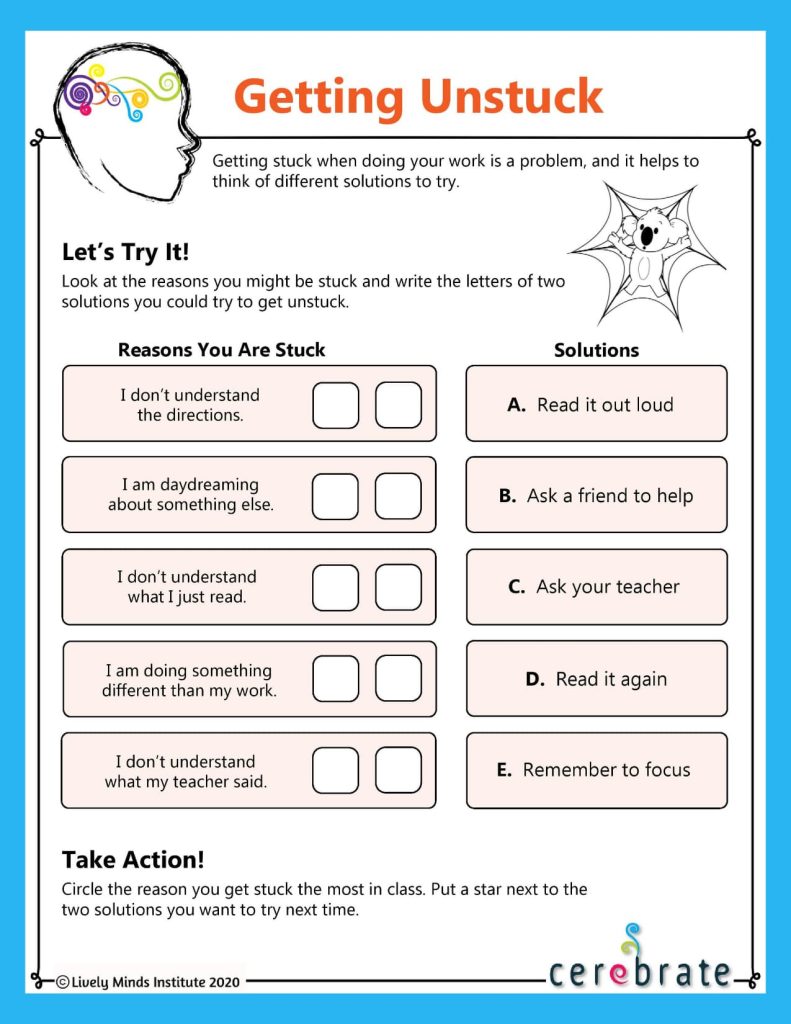
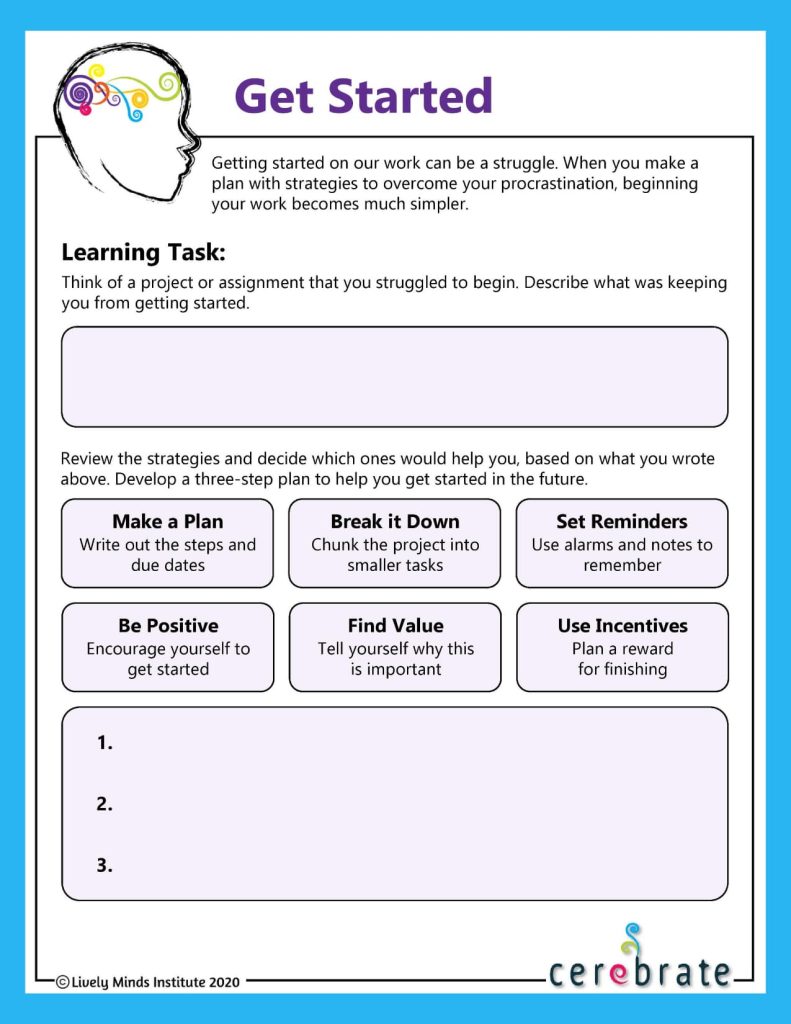
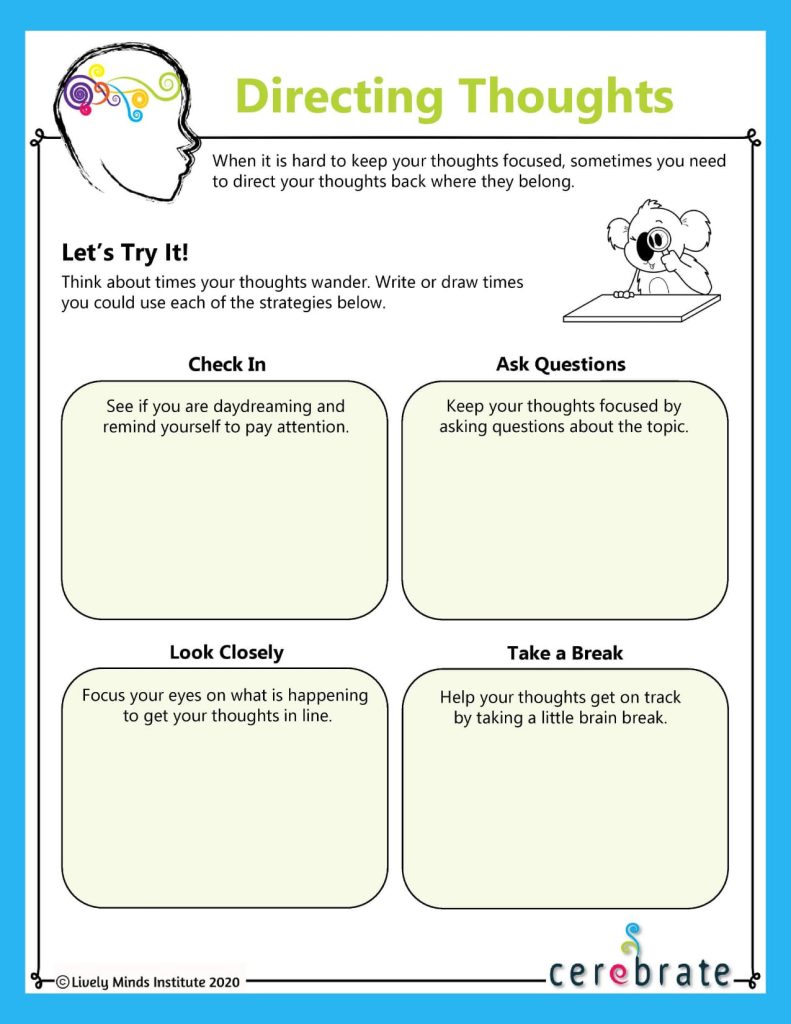
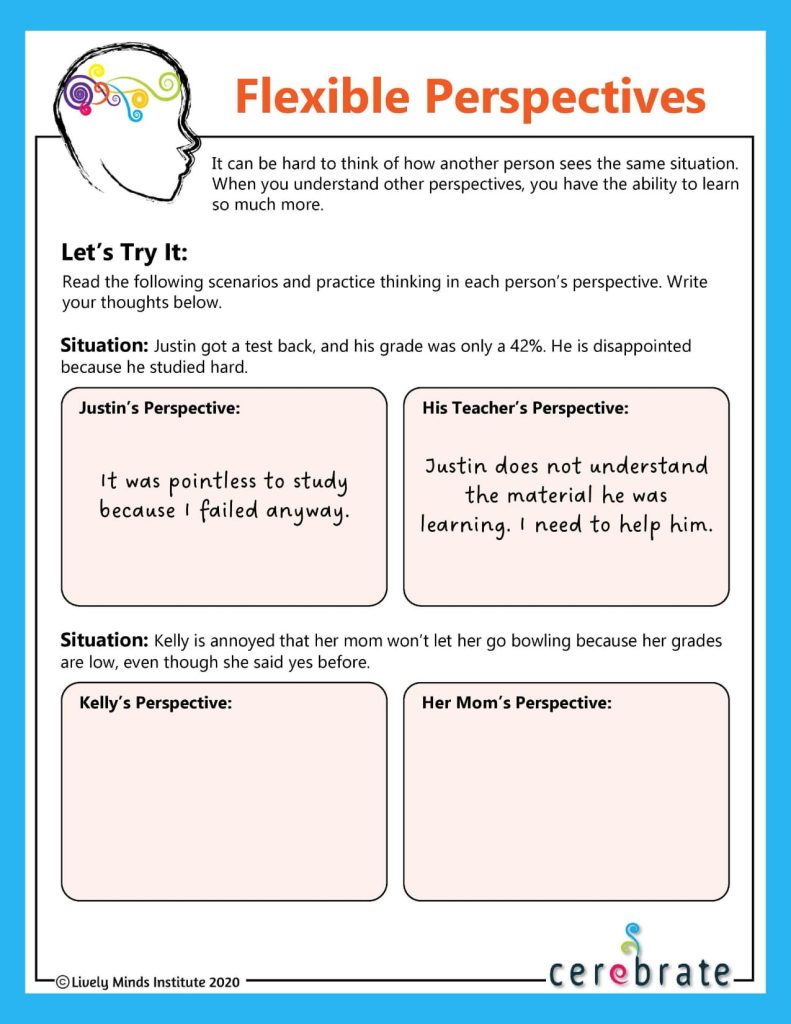
Cerebrate’s executive function lessons help students build self-awareness, increase engagement, develop critical thinking, strengthen pro blem-solving skills, and reflect on their learning. Through intentional executive function instruction, students gain practical strategies to manage learning tasks, regulate behavior, and apply skills across academic and classroom settings.
The curriculum is engaging, easy to use, and organized across three developmental levels to ensure age-appropriate instruction:
Each level includes hundreds of lessons addressing 64 unique executive function challenges, allowing educators to customize instruction for individual students, small groups, or entire classes. By targeting the challenges that most impact learning, teachers can deliver focused instruction that removes barriers and supports meaningful learning success.

Executive Function Educator Guides That Support Instruction

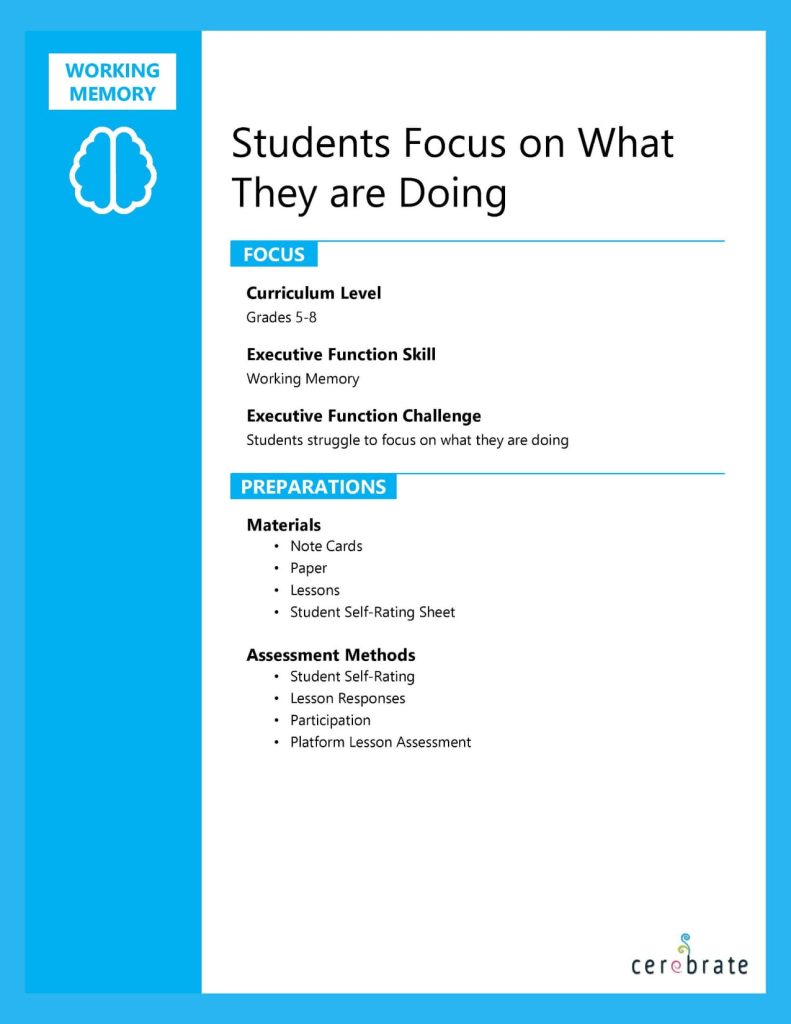
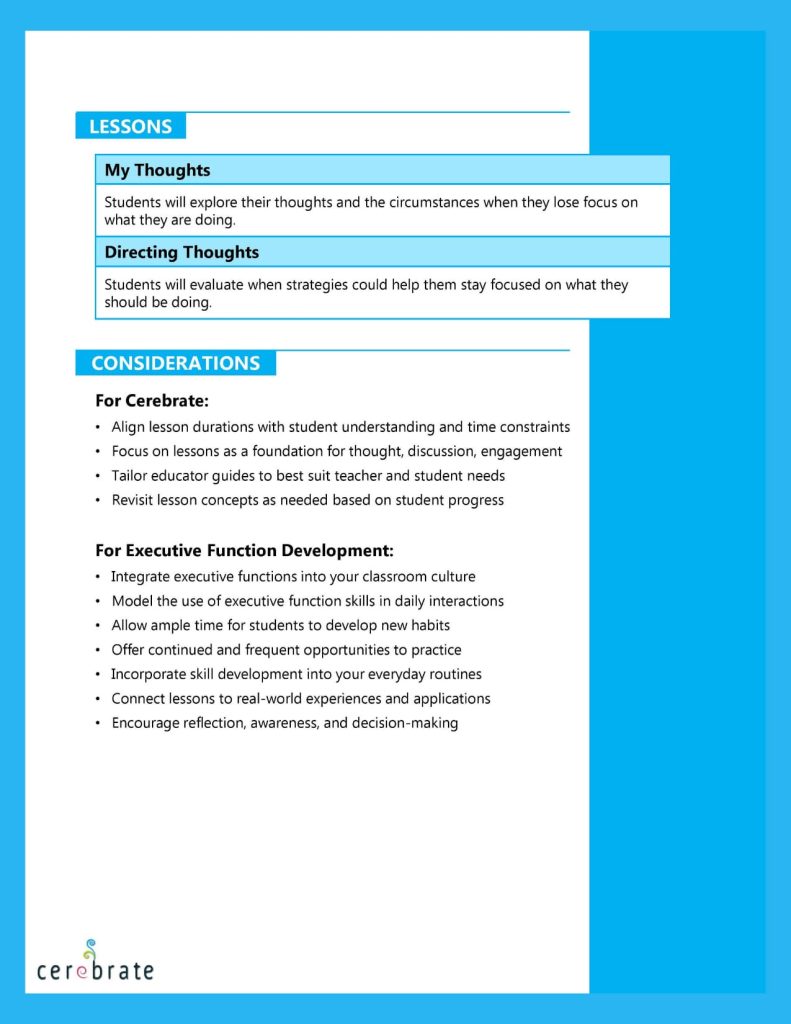
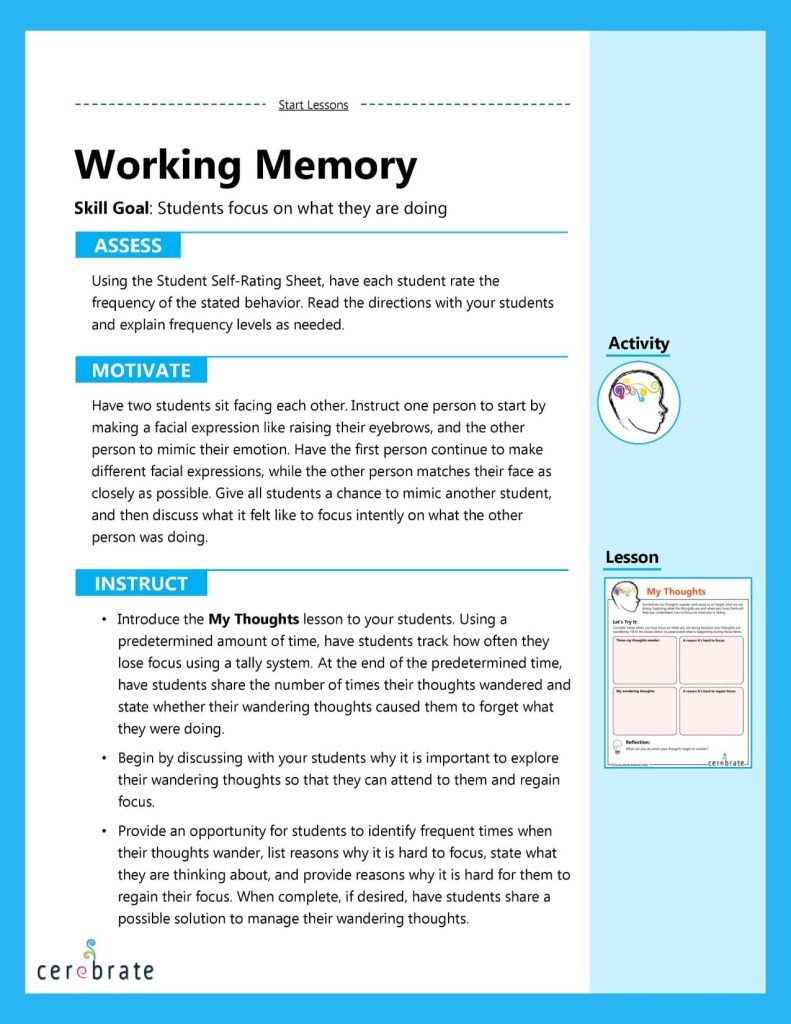
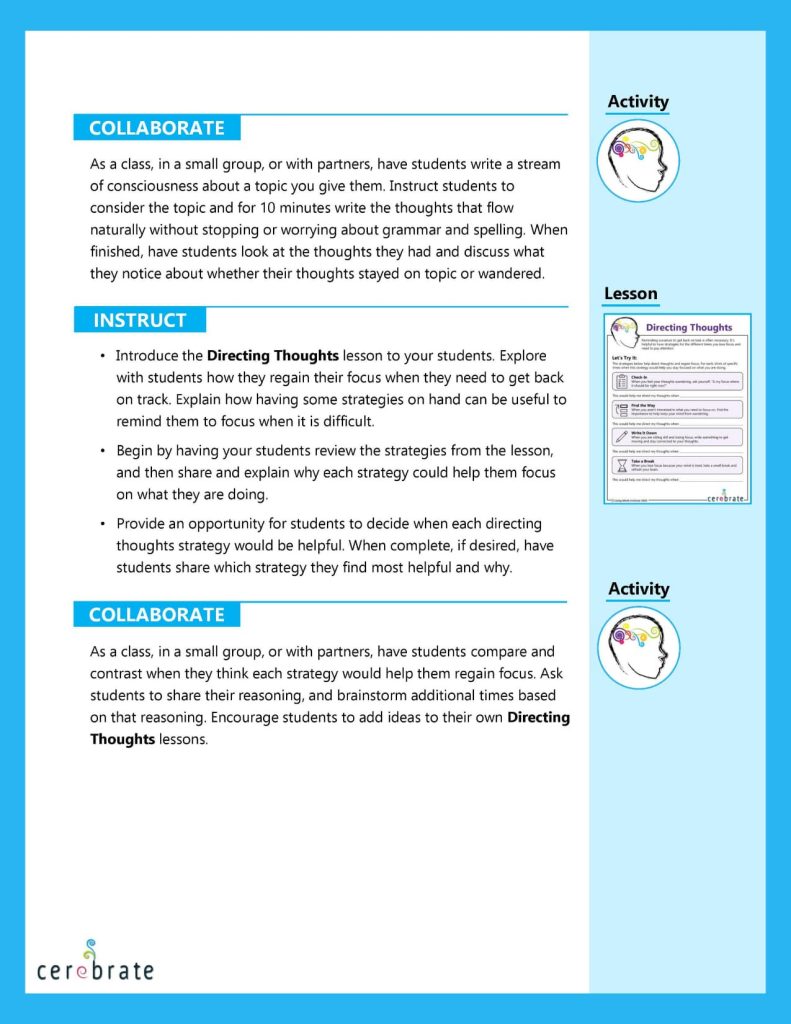
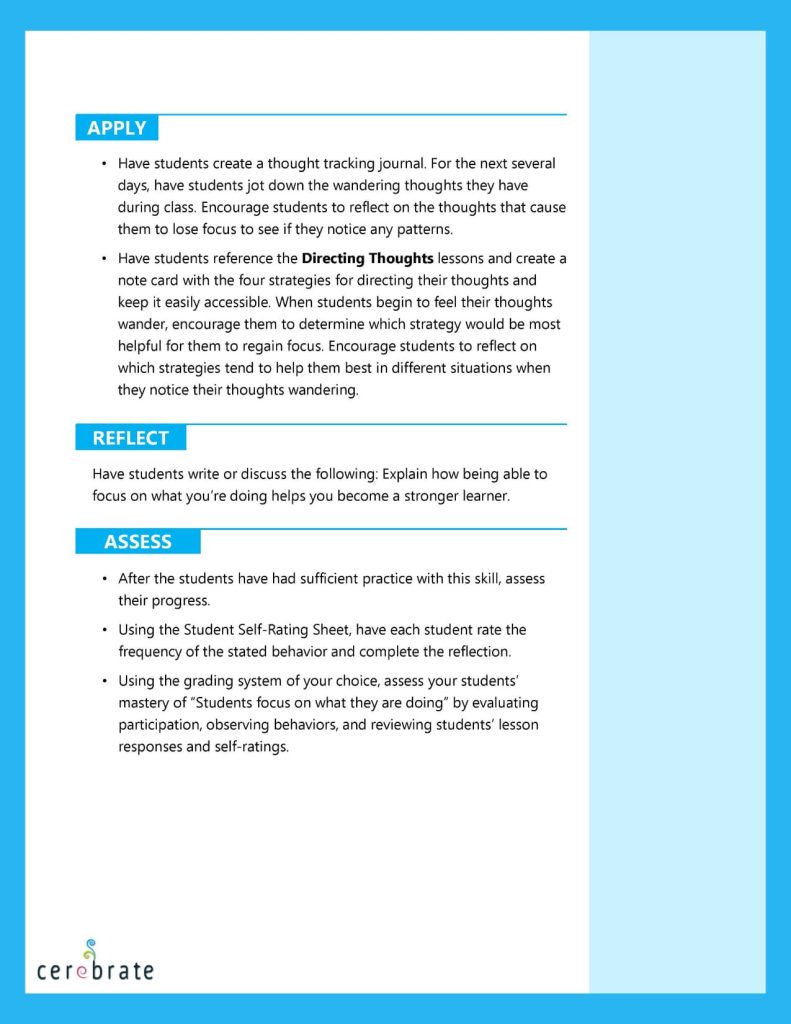
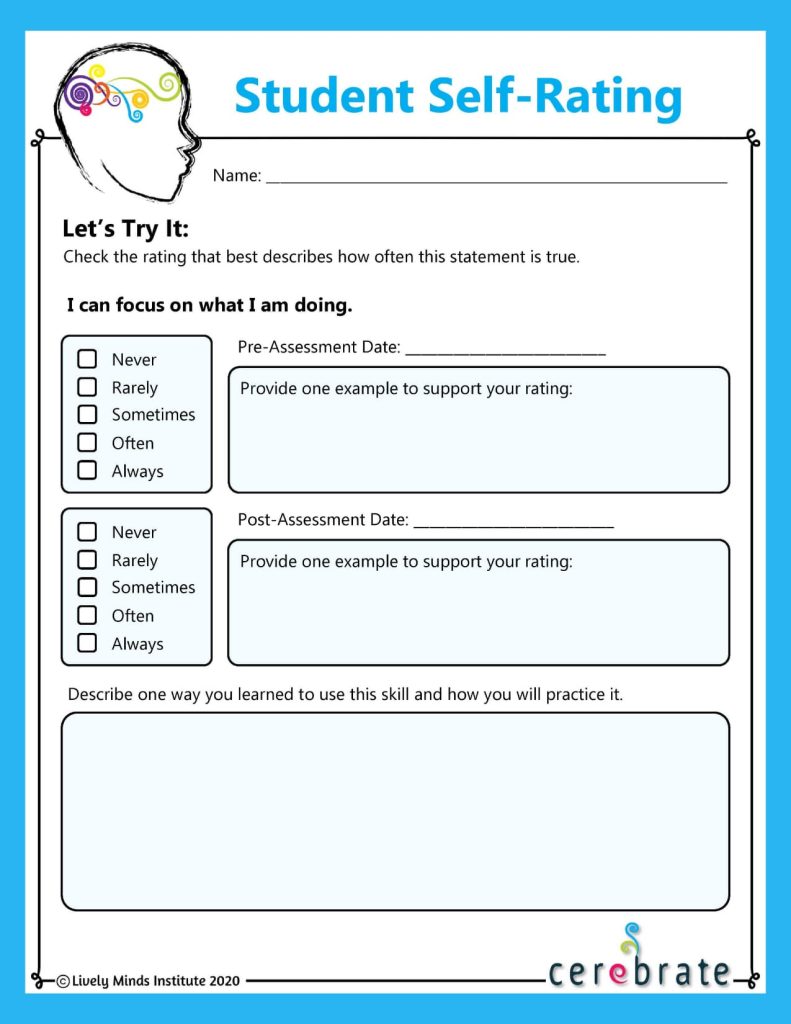
Each executive function challenge includes a dedicated Educator Guide designed to support clear, confident instruction. Guides provide the structure educators need while allowing flexibility to meet student needs.
Educator Guides support teachers by providing:
While Educator Guides offer guidance and direction, they are flexible by design—allowing educators to adapt executive function instruction for individual students, small groups, or entire classes.

What Administrators and Educators Are Saying About Cerebrate

Executive Function Proficiencies That Support Learning and Behavior

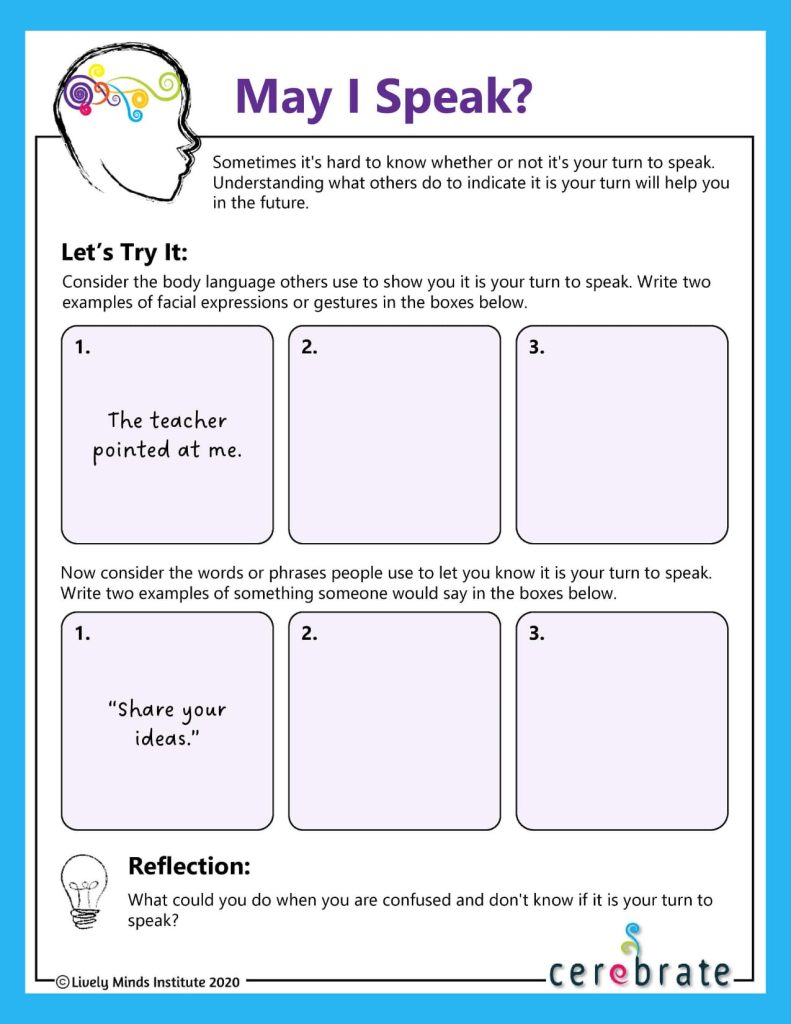
Cerebrate helps students build essential executive function proficiencies that support learning, behavior, and independence. Students develop self-control and self-monitoring skills such as pausing before acting, thinking before speaking, checking work for errors, and understanding how their actions affect others. As awareness grows, students become more intentional in how they engage with tasks, peers, and classroom expectations.
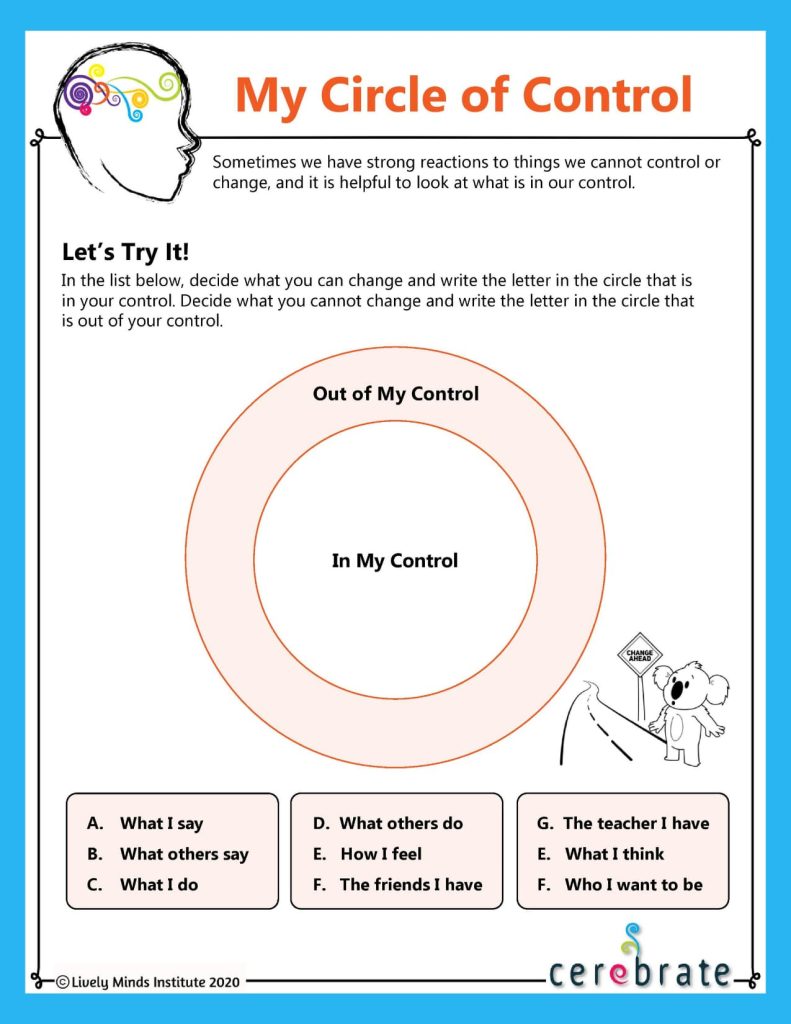
Executive function instruction also supports emotional regulation and flexibility. Students learn to manage frustration, worry, and overwhelm, adjust to changes in plans, transition smoothly between activities, and consider multiple solutions to problems, helping them stay engaged and respond appropriately to challenges.
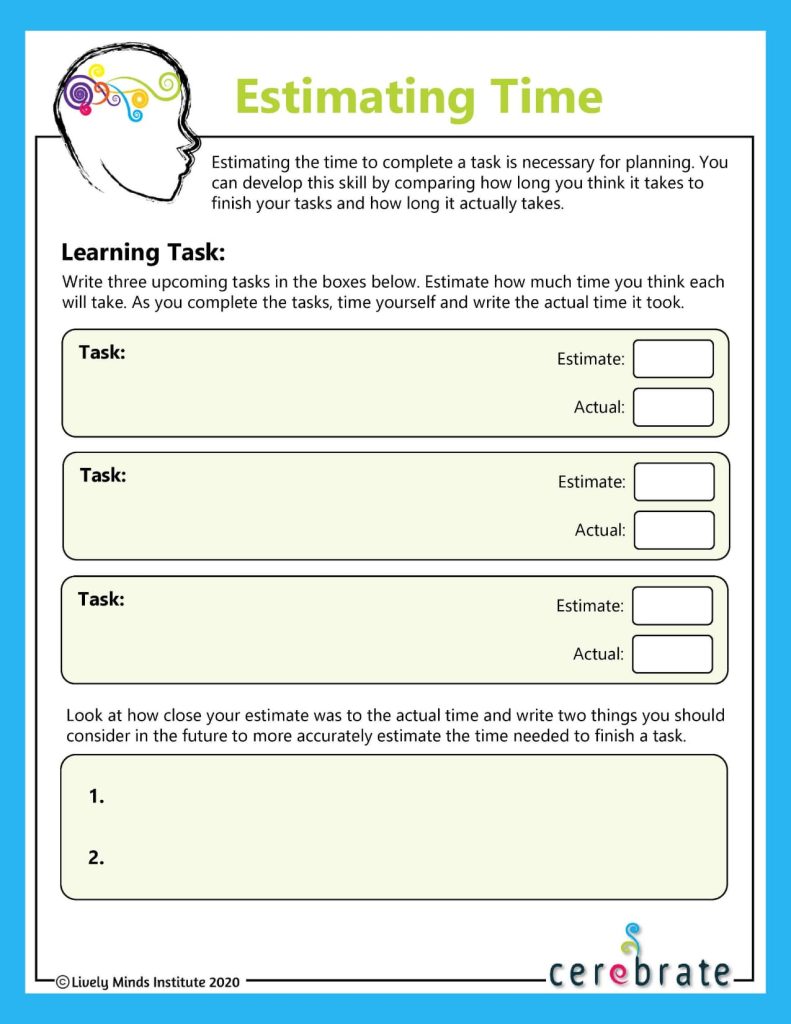
Over time, students strengthen task initiation, focus, time management, and organization. They learn to plan ahead, manage assignments and deadlines, stay on task, and follow through to completion. Together, these executive function skills build stronger learning habits, improve behavior, and support confidence across classrooms and beyond.


Executive Function Lessons Designed for Every Age

Students of all ages benefit from building executive function skills when instruction is aligned to their developmental stage. Cerebrate lessons are organized into three grade bands—grades 1–4, grades 5–8, and grades 9–12—to ensure language, examples, learning activities, and reflection questions are appropriate and meaningful for each age group.
This age-aligned approach helps educators deliver executive function instruction that resonates with students, supports engagement, and reinforces skill development. By meeting learners where they are developmentally, Cerebrate helps students apply executive function strategies in ways that feel relevant, practical, and effective across learning environments.

What is Executive Function Learning?

Seven key components of executive function instruction are incorporated into the Cerebrate curriculum, and they are based on the leading research in the field. As you look at the lessons, you will notice the following best practices:

1.

Assessment

Narrowing in on specific student struggles to know exactly what strategies should be used for improvement.

2.

Motivation

Helping students recognize their individual accomplishments and growth to give them an intrinsic desire to improve.

3.

Collaboration

Partnering with students to build strong habits by listening actively, asking questions, and thinking critically.

4.

Engagement

Providing a variety of activities and questions for students to express themselves, maintain focus, and invest in their learning experiences.

5.

Instruction

Teaching with a direct approach and repetitive practices to provide students opportunities to self-reflect and monitor their own progress.

6.

Application

Giving students the ability to associate specific skills to their own circumstances by practicing skills in real-life situations.

7.

Metacognition

Building awareness through self-reflection for students to respond to challenges in ways they are invested and interested in.

Support Educators with Executive Function Curriculum That Works

Start using a K–12 executive function curriculum that helps educators deliver engaging lessons, target essential learning skills, and support student engagement and independence across classrooms.